Case Study
Case presentation
A 39-year-old bank manager was referred to a psychiatrist following frequent complaints of acute anxiety, irritability, and sleeplessness.

Medical history
- Restlessness and irritability triggered by work-related pressure or deadlines
- Difficulty concentrating on work
- Worsening symptoms along with a sedentary lifestyle
- Difficulty in daily functioning and disturbed sleep

Physical examination
 |
Blood pressure | 120/79 mm Hg |
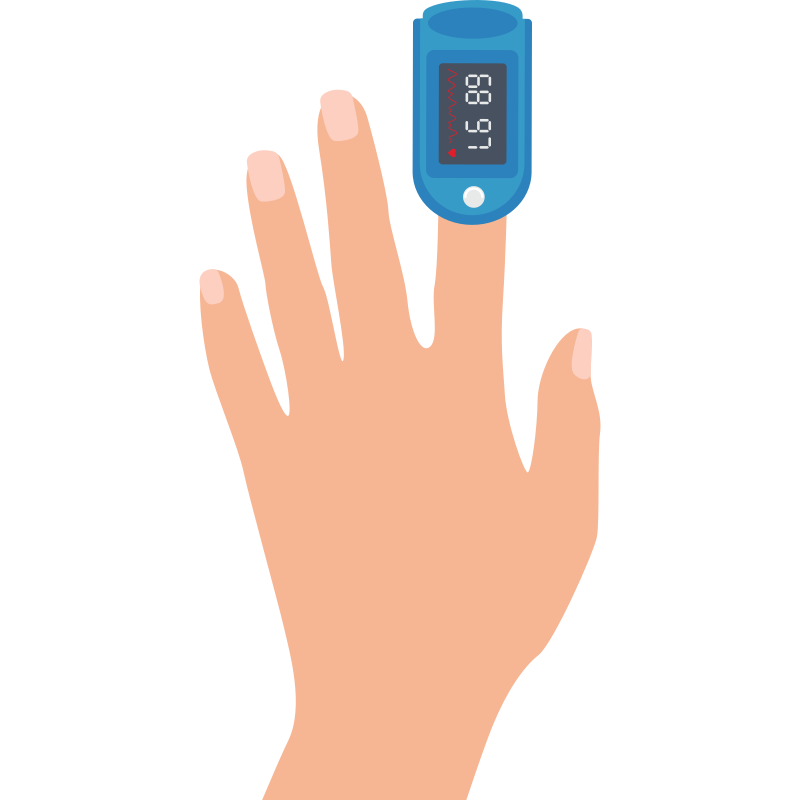 |
Oxygen saturation | 99% |
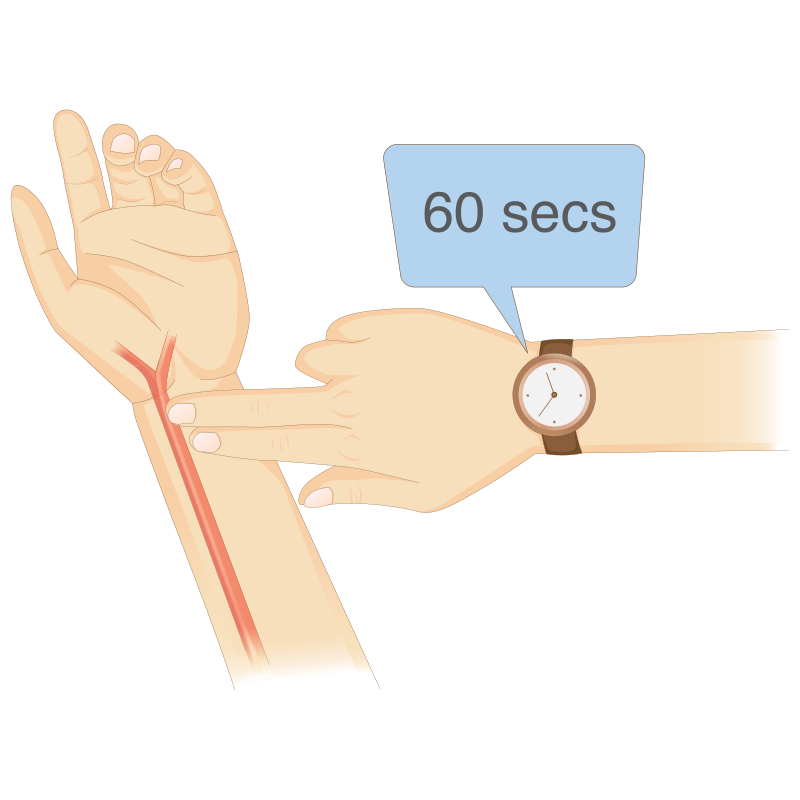 |
Pulse rate | 80 bpm |
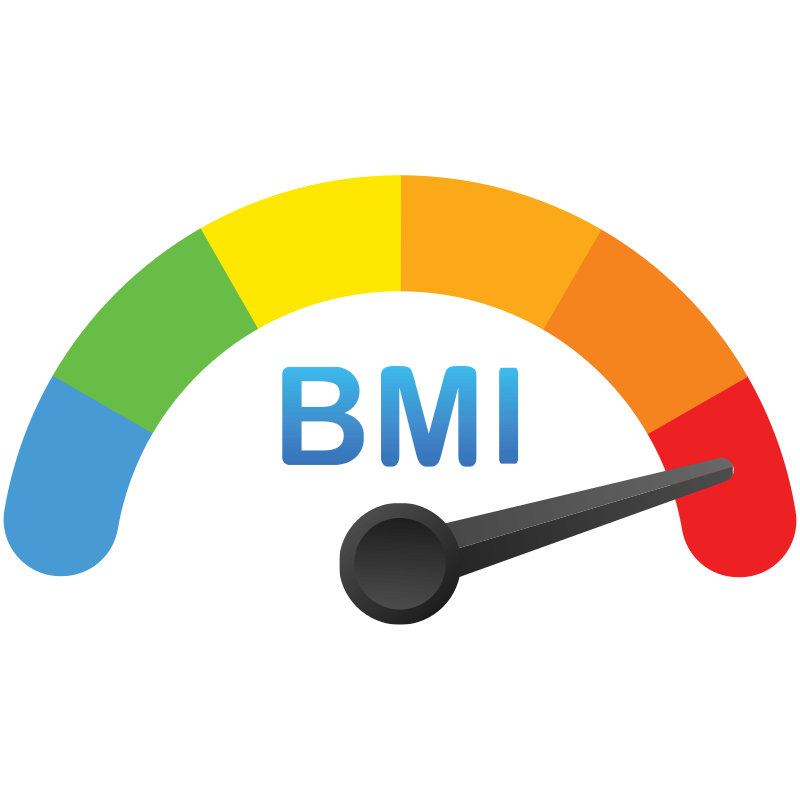 |
Body mass index | 25.5 kg/m2 |
Investigations
 |
Thyroid function tests | Normal |
 |
Fasting, post-prandial blood sugar | Normal |
Mental status examination
- DASS-21 (Depression Anxiety Stress Scales-21) = 10
- GAD-7 Assessment (Generalised anxiety disorder-7) = 14


Diagnosis: Generalised anxiety disorder (GAD)
Management: Fixed-dose combination (FDC) of Clonazepam (0.5 mg) and Escitalopram Oxalate (10 mg) once daily
Follow-up
- After 4 weeks, noticeable improvement was observed in both the frequency and severity of anxiety-related symptoms such as disturbed sleep and mood swings
- This improvement was reflected in the reduction of symptom scores, with DASS-21 = 5 and GAD-7 = 2
- After discontinuing treatment, the patient was advised monthly follow-ups for monitoring withdrawal symptoms
- After 2 months of stopping therapy, no withdrawal symptoms were experienced

Discussion
- Generalised anxiety disorder is characterised by persistent, excessive, and unrealistic worry about everyday things1
- The main advantages of an FDC are increased patient compliance, decreased pill burden, reduced complications, and cost of treatment2
- In a study by Yadav et al., the combination of Clonazepam and Escitalopram (22.44%) was the most frequently prescribed FDC in psychiatric patients2
- When assessing the rationality of FDCs, Clonazepam and Escitalopram patient group achieved a score of 8 in the seven-point criteria that utilises safety and efficacy as primary factors2

Conclusion
The combination therapy of Clonazepam and Escitalopram is a safe and efficacious option for treating patients with GAD.
References:
- Munir S, Takov V. Generalized Anxiety Disorder. [Updated 2022 Oct 17]. In: StatPearls [Internet]. Treasure Island (FL): StatPearls Publishing; 2024.
- Yadav AK, Jeenger J, Panwar D. Evaluation of rationality of fixed-dose combinations prescribed in psychiatric patients. Natl J Physiol Pharm Pharmacol 2016; 6:150-4.
Case study

The Role of SSRI and BZD Combination Therapy in Anxiety Disorders
A 34-year-old female patient presented with symptoms of anxiety. The patient had a 10-month history of anxiety symptoms.

The Role of SSRI and BZD Combination Therapy in Anxiety Disorder with Comorbid Depression
A 38-year-old male patient presented with symptoms of anxiety and comorbid depression.

Combination Therapy With Clonazepam And Escitalopram In The Management Of Social Anxiety Disorder: An Interesting Case Report
A 26-year-old woman presented with symptoms of intense fear and discomfort in social situations
Articles

Combination treatment of SSRI and BZD for depression associated with anxiety
Dar SA, Bhat BA, Jan MM. Addition of benzodiazepines to selective serotonin reuptake inhibitors to optimize treatment of depression.

Impact of anxiety on Quality of Life
Chattopadhyay K, Singh AP. Anxiety and its impact on quality of life among urban elderly population in India.
Blog

Management of anxiety in emergency
Anxiety disorders, characterised primarily by intense and exaggerated anxiety without real threats, are frequently encountered in the general population.

Age-based prevalence and factors associated with anxiety disorder
Anxiety disorders (ADs) have a significant impact on individuals' quality of life and productivity, contributing to substantial economic losses at the national level.